
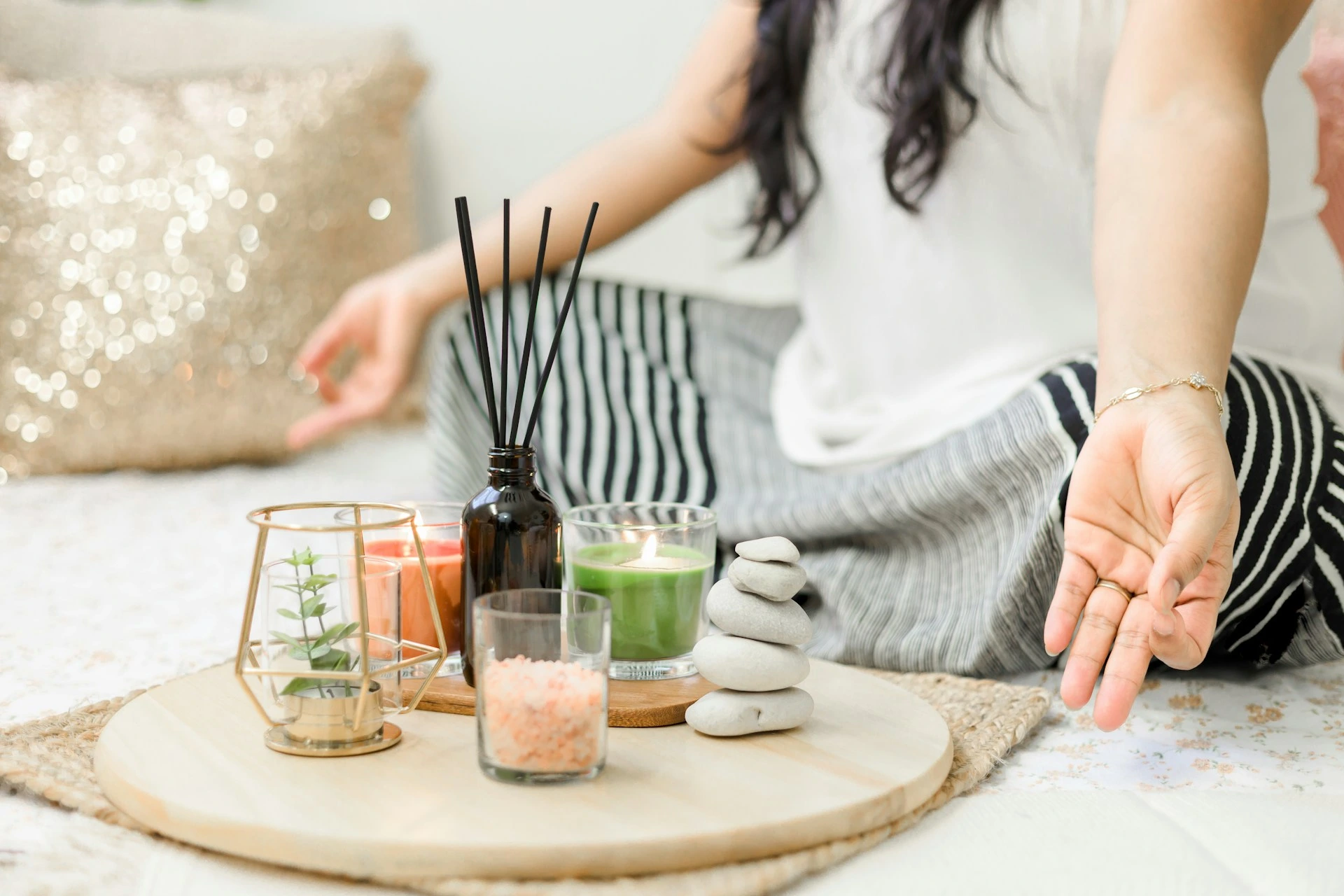
In an age of instant everything you can imagine, the concept of slow living and mindful living have become quite popular. These are the ambling-down-the-sidewalk (or through the garden), a slightly nostalgic celebration of the here-and-now balanced-in- everydayness kinds of lifestyles. In this piece we will dive into what slow living and mindful living are, their benefits and how you can add a bit or more of each to your life for a fuller life.
What is Slow Living?
Slow living is a lifestyle choice that is in direct opposition to the culture of busy-ness, and it focuses on quality over quantity; slow instead of fast. The aim is to do away with the modern fixation on artificial lights, such as lamps and screens that keep people stimulated and productive, in exchange for a more relaxed mind-set — punctuated by ample time spent thinking.
The core principles of slow living include:
- Simplicity: stripping away clutter in your physical space, and in your mind, to leave us with only what is truly necessary.
- Intentionality: Actively considering your choices and alternatives and intentionally choosing them rather than making decisions on autopilot.
- Connection: More time with friends and family, in nature and valuing relationships.
- Mindfulness: Fully experiencing life and being present in each moment without distractions, or the constant hurry to get things done.
The Importance of Mindful Living

At its core, living mindfully means being present and fully engaged right now, without becoming consumed by thoughts of the past or future. It’s focusing on your thoughts, emotions and environment in a non-judgmental way which makes it possible to live with awareness.
Benefits of mindful living include:
- Reduced Stress: Mindfulness activities, like meditation, can aid in alleviating anxiety and stress by calming the mind and inducing relaxation.
- Improved Mental Clarity: When you are in the moment and concentrating on what you are doing, it also can help enhance your mental focus and improve your decision making.
- Better Relationships: When you’re mindful, you tend to be more attentive and present with others which leads to the development of better relationships.
- Enhanced Well-being: Being mindful is linked to improved blood circulation, which can boost energy levels and mental alertness.
How to Practice Slow Living and Mindful Living
For those of you who want to practice slow living or mindful living, we share a number of practical ways on how you begin.
1. Declutter Your Environment
The dirtier the environment, dirtier is the mind. Begin by clearing out your home and workspace. Hold on to the things in your life that add value and let go of the things that do not. Being in a clean, organized environment can be calming and make you feel more focused.
2. Prioritize Your Time
The busyness of day-to-day can overwhelm and turn into more, more, more. Instead, try to do less, but better. Say yes to things that matter for you, and serve your values. When it’s to an obligation that you don’t enjoy and that doesn’t reward you? Say no.
3. Practice Mindful Breathing
Mindful breathing is one of the simplest ways to practice mindfulness in your daily life. Spend a few minutes each day closing your eyes and concentrating on your breath. Take deep, conscious mindful breaths – don’t rush it; just be there. Fortunately, this easy technique can help alleviate anxiety and contribute to a calming feeling.
4. Disconnect from Technology
Yes, technology can be helpful, but it can also make us feel overwhelmed and fragmented. Schedule time every day to unplug from your screens. This can be as basic as a stroll outdoors with no cell phone or food that you eat, without any distractions. Allowing yourself this time can help you re-tap into the present moment.
5. Cultivate Gratitude
Practicing gratitude is one of the most effective ways to turn your mindset around and learn about slow living. Spend a few minutes each day reflecting on things you’re grateful for. Whether it’s the sun on your skin, a really great meal or a few quiet minutes with someone you love, turning our attention to what we do admire can help us recognize some of life’s more positive elements.
6. Simplify Your Routine
Stress and fatigue can be attributed toward a hectic schedule. Instead, aim to streamline your daily routines. Prioritize having a routine that you can handle, that still gives you time for rest and relaxation. This could mean meal prepping ahead of time, carving out hours for work or dedicating moments to self-care.
Benefits of Slow and Mindful Living

Here’s how adopting slow living, mindful living habits can benefit you:
- Reduced Stress: The process of slowing down and concentrating on the moment can reduce stress and anxiety.
- Increased Happiness: You find value in the small, mundane details of life when you live in the present moment, which promotes increased happiness.
- Improved Health: Less stress and more intention living can have a measurable positive effect on your physical health, ranging from better sleep and lower blood pressure to stronger immunity.
- Stronger Relationships: Mindfulness deepens your relationship with others to develop stronger, more beneficial connections.
- Enhanced Focus and Productivity: By decluttering your life, and getting rid of unnecessary distractions, you can increase your focus and productivity in everything from personal to professional pursuits.
Conclusion: Embrace the Art of Slow Living and Mindful Living
Slow and mindful living is a peaceful response to world that never has enough. These habits will help you design a more intentional, meaningful life – one that is less scattered and more focused on what truly matters. No matter whether you’re looking for peace in your schedule, more joy or better connections with the people you love, learning to live slowly and mindfully can help you build a life that is balanced against the push of our too-chaotic world.
So just take a deep breath, sl-o-o-w down and appreciate this moment right now — you deserve it!