
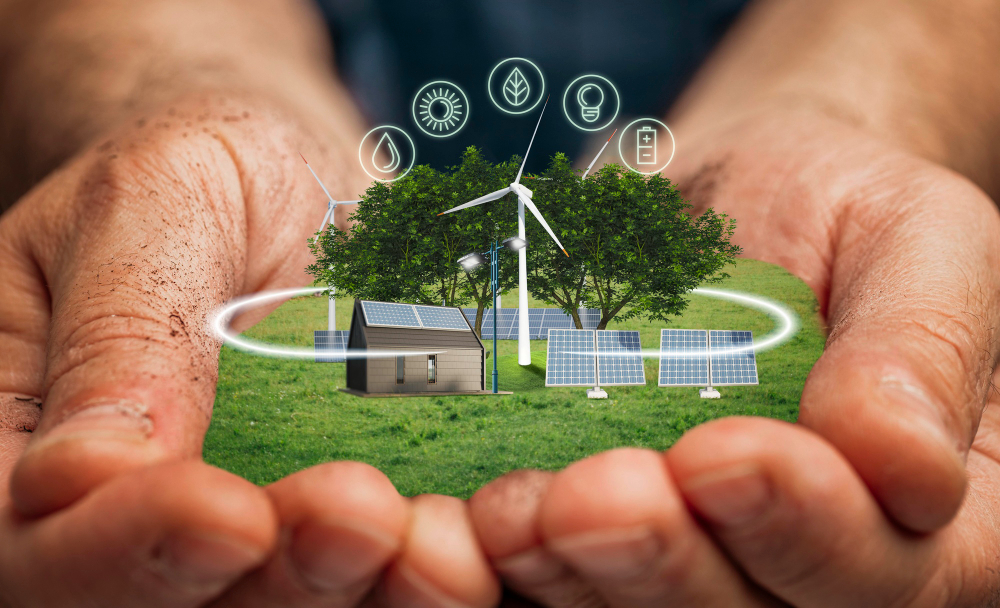
With climate change and other environmental concerns looming larger, the just of sustainable living and green lifestyle simply cannot be ignored. Whether you’re a long-time advocate of green living or just looking to make one or two eco-friendly changes in your life, know that the little things add up; together we can help protect our environment for generations to come.
In this post we are going to talk about what sustainable living and eco-friendly lifestyle mean, the benefits of practicing them and practical tips on how you can involve yourself in doing part or all of it in your life.
What is Sustainable Living?
Sustainable living involves making decisions and adopting behaviors which reduce your negative impact on the environment and on natural resources. It’s a question of finding equilibrium between what you demand from the planet and its capacity to regenerate so that every other living creature can flourish. Sustainable living is essentially:
- Conserving Resources: Less use of finite resources such as oil, water, and raw materials.
- Minimizing Waste: The process of reducing, re-using and recycling materials in an effort to reduce landfill waste and waste water pollution.
- Supporting Eco-Friendly Products and Practices: Looking for goods and services that are made in an ecologically friendly and humane manner.
- Energy Efficiency: Using energy in the most minimal impact manner (e.g., renewables energy, efficient appliances).
The Eco-Friendly Lifestyle: Living in Harmony with the Earth

An eco-friendly lifestyle comes with the territory of sustainable living, but it’s more than only purchasing what “eco” or green. It’s a way of life that focuses on sustainability in every facet — from being mindful of our carbon footprints to shopping local, and choosing eco-friendly transportation.
Key components of an eco-friendly lifestyle include:
- Mindful Consumption: Quality over quantity and selecting reusable, recyclable or biodegradable products.
- Sustainable Transportation: Choose public transport, cycling, walking or electric vehicle and save CO2.
- Zero-Waste Practices: Practice the zero waste lifestyle by using less plastic, composting, and shopping in bulk to reduce packaging waste.
Benefits of Sustainable Living and an Eco-Friendly Lifestyle
Making sustainable living and becoming more eco-friendly has so many good things! Not only for the environment, but also for our health and well-being. Here are a few examples:
- Environmental Protection: You are helping to reduce waste and save resources — and promoting good practices for the environment.
- Improved Health: Eco-friendly options such as eating organic, reducing exposure to chemicals and spending time outdoors can be good for your health.
- Cost Savings: Adopting sustainable habits, such as installing energy-efficient appliances or cutting back water usage, can eventually save you on utility bills.
- Sense of Purpose: There’s no denying that trying to reduce your carbon footprint helps create a sense of purpose – you are taking action (albeit small) in the fight against climate change, and helping protect the earth’s natural landscapes.
- Social Impact: Promoting ethical business and fair trade products creates a more equitable, just world for workers everywhere.
Practical Tips for Adopting a Sustainable and Eco-Friendly Lifestyle
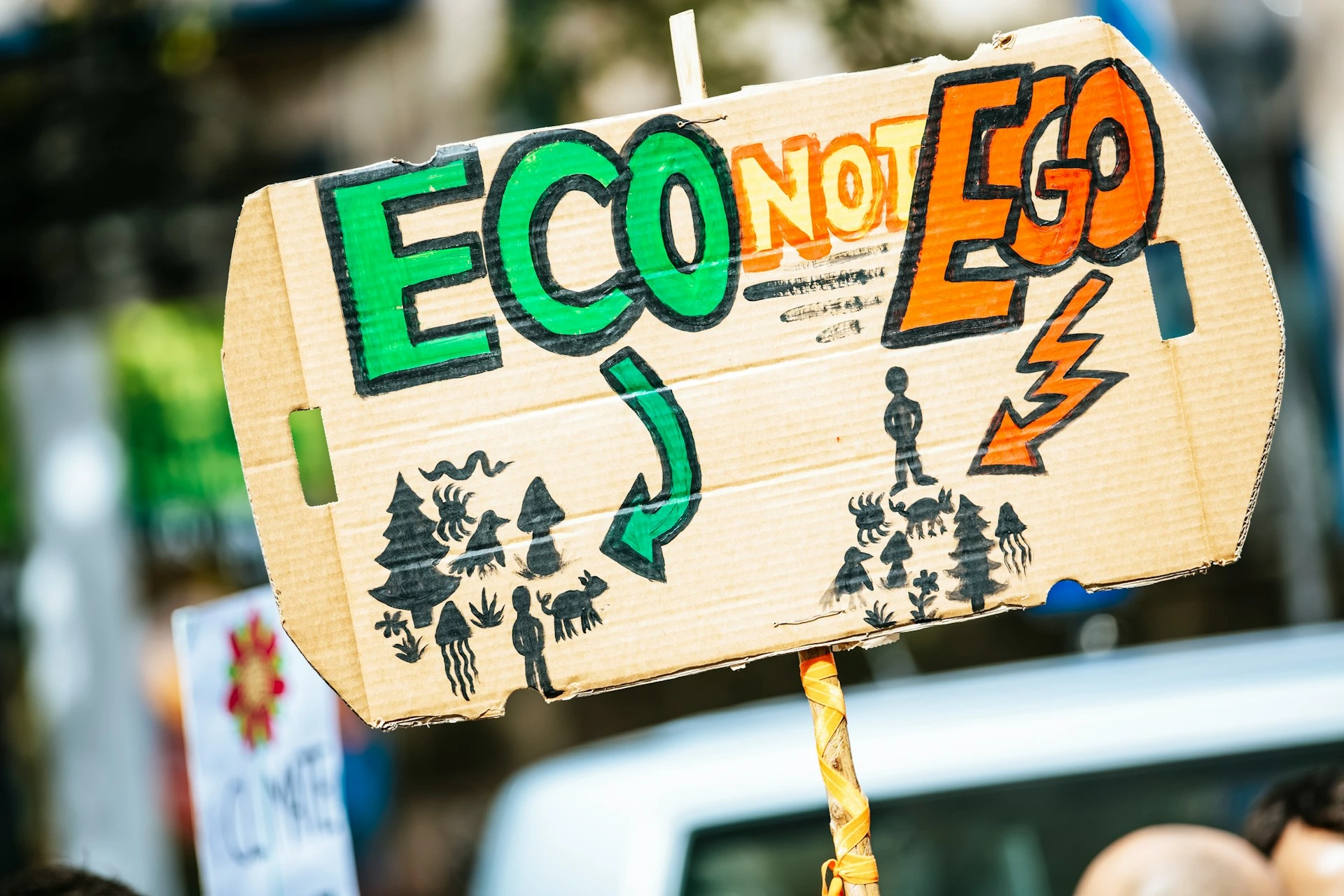
If you’re ready to make the jump toward a more sustainable lifestyle, here are some practical tips on how to get started:
1. Reduce, Reuse, Recycle
The 3 Rs are the bare basics of sustainable living. Begin in your home by reducing waste. Recycle everything you can and repurpose things instead of buying new. That could be recycling a piece of old furniture, or using glass jars as storage jars.
2. Opt for Renewable Energy
There are few better ways to cut down on your carbon footprint than with renewable energy. There’s the option to buy green energy from many utility companies, or there’s solar panels on your roof. Energy efficient appliances also keeps down your energy usage.
3. Support Sustainable and Ethical Brands
When purchasing, seek out companies that prioritize sustainability and ethics. Opt for items that are recycled, organic cotton or made from other eco-friendly materials. If you support fair-trade products, you believe in making sure workers get a fair deal and the production process is eco-friendly!
4. Adopt a Plant-Based Diet
Adopting a vegan diet — or just reducing the amount of meat and dairy in your overall eating habits — can significantly reduce your carbon footprint. Animal agriculture is responsible for a significant amount of greenhouse gas emissions, and a plant-based diet uses fewer resources such as water and land.
5. Use Eco-Friendly Transportation
Whenever you can, leave the car behind and use public transport, a bike or your feet. If you have to drive, then look into driving an electric vehicle (EV) or a hybrid. Both of those options – which can help cut the amount of cars on the road and decrease carbon emissions - are to be commended.
6. Compost and Reduce Food Waste
Throwing away food is a major problem in a lot of homes. Compost your food scraps and yard trimmings. That not only minimizes waste, but it also adds nutrients to your garden soil. Stop buying for your freezers and plan meals to avoid scraps.
7. Invest in Sustainable Fashion
The fashion industry has a world of environmental problems, but there are some little things you can do to make a difference. Opt for sustainable fabrics like organic cotton, hemp and bamboo. Buy second-hand or support brands that are open about their eco-friendly manufacturing processes.
8. Practice Water Conservation
Saving water is one of the key components of sustainability. Fit low-flow showerheads, repair leaks sooner rather than later and how about collecting rainwater in a rain barrel for watering the garden? Small things like going for a less-hasty shower or not letting water run while brushing your teeth add up to a lot.
9. Create a Green Space
Plants strategically placed around the home or garden can not only improve air quality, but also serve as rain catchers and contribute to mitigating urban heat islands. Indoor ones purify the air and boost a calming feeling, while outdoor plants such as trees help local ecosystem and also eliminate carbon dioxide.
10. Educate and Inspire Others
Educating others is one of the most impactful ways to support the movement for sustainable living. Educate your family and friends on everything you’re learning so it can motivate them pick up eco-friendly habits too. The more sustainable lifestyle that people adopt, the better for our planet.
Conclusion: Start Living Sustainably Today
Sustainable living is not just a cool fashion thing– it’s also the kind of environment-saving habit that allows us to look after our planet, so by the time your grandkids are born, they will have a place to live on. A few tweaks to your daily lifestyle and you’ll be well on your way to reduced emissions and a cleaner, healthier planet.
It’s the small stuff that counts. Whether you are waste-cutting, opting for greener alternatives or just looking to choose more sustainable products and brands your choices have lasting results that contribute to keeping our planet safe. So, Take Action Today, Live a life of sustainability and eco-friendly.