
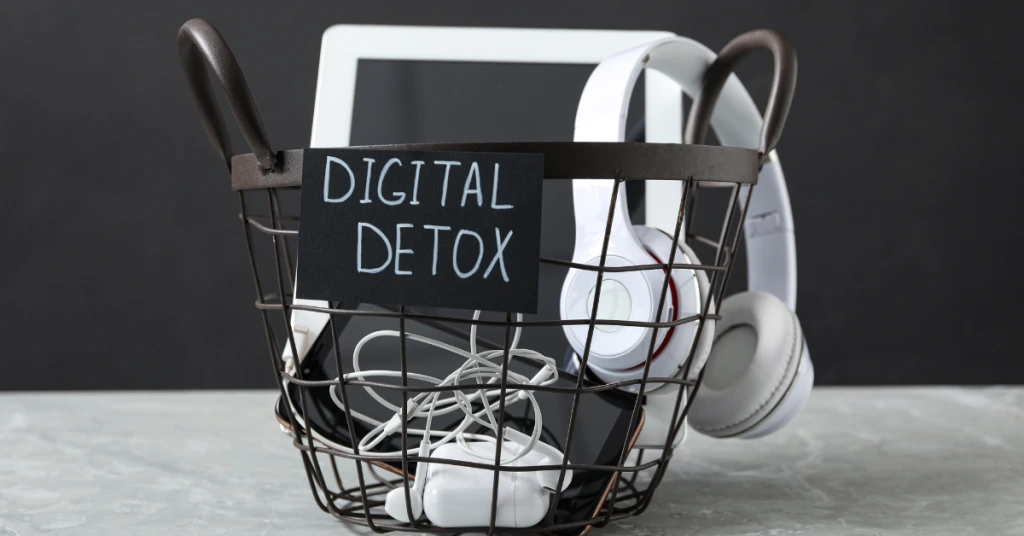
In an overly connected world, it can be difficult to get away from the sounds of digital notifications and social media, the 24/7 news cycle. Technology is convenient and useful, but always being connected an cause stress, anxiety and burnout. Enter the idea of digital detox. Unplugging from screens to refresh your mind, connect with actual humans and generally feel more alive. This is what we’re going to talk about in this post so that you can have a good idea of what digital detox is, why it’s important and how to get the most out of it.
What is a Digital Detox?
What is a digital detox? A digital detox involves purposefully stepping away from devices like your phone, tablet, computer for an extended period of time to decrease dependency on technology and try to reclaim control over how you feel, both mentally and emotionally. It’s not all or nothing – it’s about reaching a healthy balance that enables you to live life free of the digital distractions pulling at us from all directions.
The primary goal of a digital detox is to:
- Reduce Screen Time: Less time on screen and less social media or mindless scrolling.
- Reclaim Mental Clarity: Eliminate information overload and the mental fatigue of constant notifications and online demand.
- Improve Real-World Connections: Spending more quality time with family, friends and co-workers in real life.
- Enhance Well-Being: You are giving your mind a breather from the cult of overstimulation that is attached to being plugged in 24/7.
Why is a Digital Detox Important?
The internet is a thrilling, information-rich place to be. Our brains are overwhelmed with a constant barrage of updates, news feeds and the obligation to be plugged in all the time, which can cause feelings of stress, anxiousness and fatigue. Here are some of the reasons why you need that digital detox:
1. Reduce Mental Clutter
Notifications that keep coming in, emails arriving and regular updates are enough to create mental chaos, deterring you from focusing on critical tasks. A digital detox helps to clear this mental noise, affording your mind the opportunity to hit the reset button.
2. Improve Sleep Quality
Too much screen time – especially before bed – can also mess with your sleep cycle. Blue light from screens interferes with the body’s production of melatonin, which makes it difficult to fall asleep. Doing a digital detox can help you to sleep better, so that you will feel more refreshed and even happier.
3. Enhance Productivity
When we spend our day checking devices, productivity often wanes. You will also maintain better task focus and derive increased efficiency while delivering more value.
4. Reduce Anxiety and Stress
Research has found that the overconsumption of screen time, especially on social media platforms, can increase anxiety and stress levels. Disconnection is your invitation to re-connect with the peace that resides within you.
5. Foster Real-Life Connections
An overreliance on digital contacts — taking being in touch with people to extremes — can result in shallow, disconnected relationships. A digital detox enables you to more fully connect with the people around you, leading to deeper, more meaningful relationships.
How to Do a Digital Detox

The prospect of disengaging from your digital devices might seem overwhelming, but the benefits more than make up for any temporary discomfort. Below, read some practical steps you can take to make your digital detox truly productive:
1. Set Clear Boundaries for Screen Time
Begin by figuring out when and how much you use your devices. Then, establish your own boundaries. Like no screens for an hour after you wake up or before bed, for example. You can schedule “screen-free” days or weekends, too.
2. Remove Distractions
If you are the kind of person who looks at your phone constantly, consider turning off uncritical notifications. You may also place your phone in another room while you are working or relaxing to prevent the temptation to check it any time there is a spare moment.
3. Designate Tech-Free Zones
Set up spaces in your home that are free of digital devices, like the bedroom or dining table. This cultivates mindfulness during behavior such as eating or engaging with relatives.
4. Engage in Offline Activities
Spend your screen-free time doing activities that don’t rely on technology, whether it’s reading a book, cooking dinner, taking an evening stroll or indulging in a hobby. These pursuits are what we need to relax and recharge.
5. Use Technology Mindfully
When you do rely on technology, be purposeful. And no more mindlessly scrolling through social media or compulsively checking your email every few minutes — schedule specific times for both of those. This helps prevent digital overwhelm.
6. Practice Mindfulness and Meditation
Practicing mindfulness or meditation can add to the digital detox elements within daily routine. They are these things that force you into the here and now, which can help mitigate the harmful effects of screen time.
How Often Should You Do a Digital Detox?
How often you should do a digital detox varies with your lifestyle and how much you use technology. Some people thrash themselves with a full daylong digital detox once a week; others do it in 15- or 30-minute bursts each day. It is crucial to be mindful of how you feel physically and mentally — if you are beginning to feel overwhelmed, it could be time for a little unplugging.
Conclusion: Take Back Control with a Digital Detox
In a world where everyone and everything is hyperconnected, it’s more important than ever to take time off from screens and reconnect with yourself and the world around you. (And, let’s be clear, a digital detox isn’t about completely ditching technology but rather finding a balance that helps you best function in an increasingly digital world without being engulfed by it.)
By incorporating regular digital detoxes, you will increase mental clarity, decrease stress and better connect while optimizing quality of life. So don’t wait — unplug the screens, and unwrap that present of presence for yourself. Your body and mind will thank you.