

Mental health has never been more important to overall wellness in today’s busy world. Mental health issues are on the rise, even as awareness of the vital link between mental and physical health grows. The daily stresses and demands at work and in society can create a heavy burden on our minds making us vulnerable to anxiety, depression, and burnout. You must focus on mental health, it is the key to a balanced and fulfilled life. Here we explain why mental health is important, how to gauge it and tips to put your well-being first.
What is Mental Health?
Mental health is a state of an individual’s emotional, psychological and social well-being. How it makes people think, feel and act, how they respond to stress, how they relate to others and the choices that people make. Our mental health is as important as our physical health, it affects us in every way — how we interact with our partners to how well we work and do things everyday.
Mental health is something that can rise and fall as you go through life. It may be partly due to genetics, past life experiences, and factors outside of a person’s control like stress and trauma. Just as with physical health, mental wellbeing needs consistent upkeep. Mental health is as important as physical health if you want to live a fully rounded and happy life.
Why is Mental Health Important?
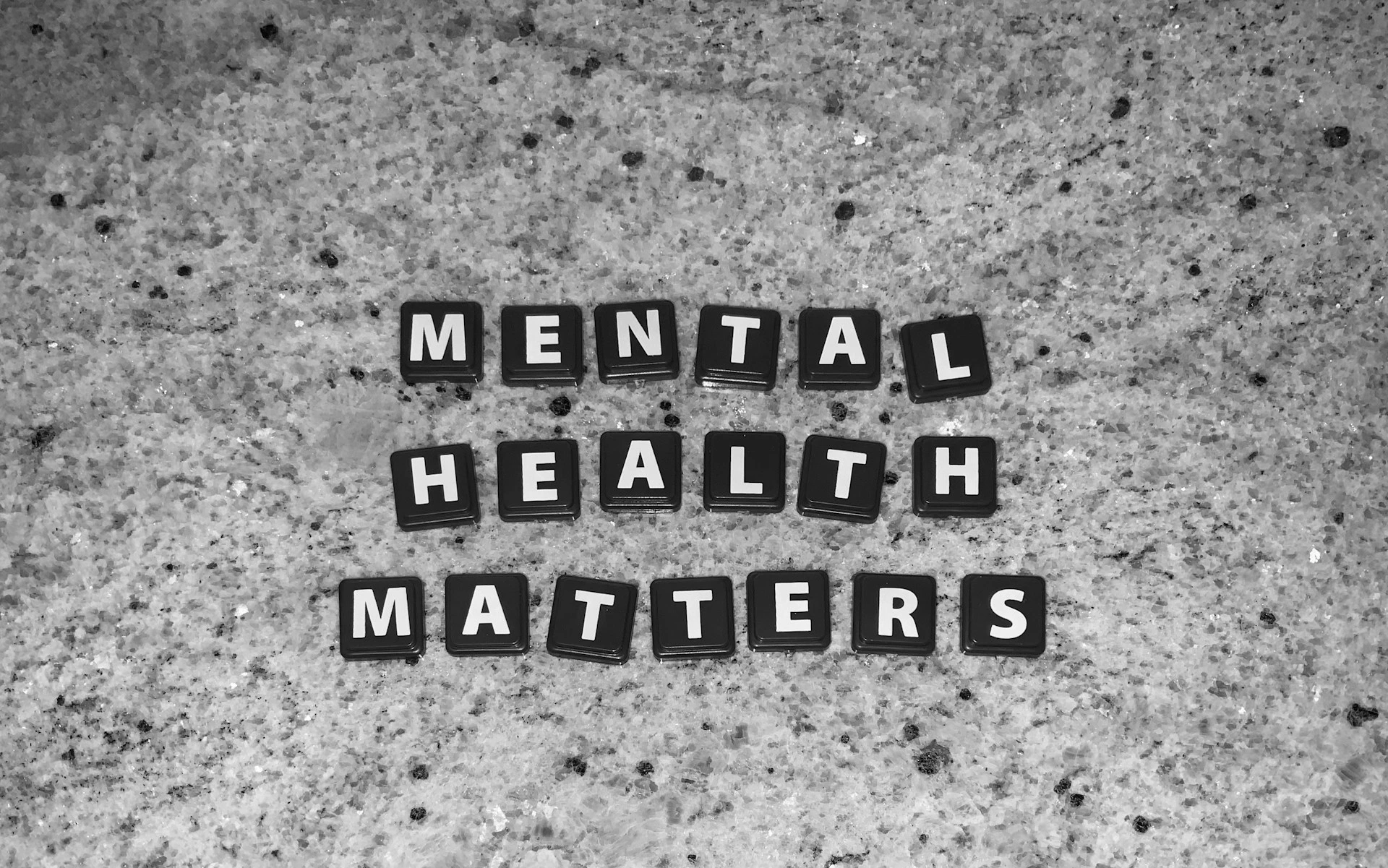
A sound mind is almost half of health, and sometimes it is even more than that. Here are a few pertinent reasons to make sure mental health is not neglected:
1. It Affects Your Physical Health
Mental ill-health can have a profound effect on physical health. Sustained periods of stress and depression can result in health problems like headaches, indigestion, heart disease and weak immune systems. Looking after your mental health may minimize these risks and improve physical health.
2. It Influences Daily Functioning
When you are mentally healthy, you have the ability to think critically and make everyday decisions about life and work. Mental health issues can make it difficult to concentrate, communicate clearly and regulate your emotions — so much that they affect your relationships and work.
3. It Impacts Relationships
Your mental well-being is a big contributor to your relationships with family, friends and colleagues. You can communicate, handle conflicts, and demonstrate empathy as a result of good mental health. When mental health is not prioritized, riffs between loved ones can ensue with isolation and miscommunication.
4. It Boosts Productivity and Performance
When you are mentally healthy, it’s easier to think clearly and focus on specific goals, which can be motivating. It does help to make you perform well at work or school. Ignoring mental health can result in burnout and reduced productivity, sharpness of thinking.
Common Mental Health Issues
There is no clear line between mental health (a.k.a. “sanity” or “mental wellness”) and mental illness. Sanity, like intelligence, can be defined in a lot of different ways but it’s usefully, I think of it as about control. Here are some of the most common mental health problems:
- Anxiety: Excessive concerns, fears and nervousness. It can interfere with daily life and produce physical symptoms, including heart palpitations and sleep problems.
- Depression: Having a serious case of the blues, or feeling down each day. It can cause low energy, trouble concentrating and changes in appetite or sleep.
- Stress: A response we are designed to have, but chronic stress can cause burnout, emotional depletion and physical health issues.
- Burnout: Emotional, physical and mental exhaustion created by prolonged stress. It is commonly work-related, and will evoke feelings of hopelessness and disconnection.
- Self-Esteem Issues: Feeling of a lack of value and self-image issues can take its toll on a personal relationship or career.
How to Prioritize Mental Health
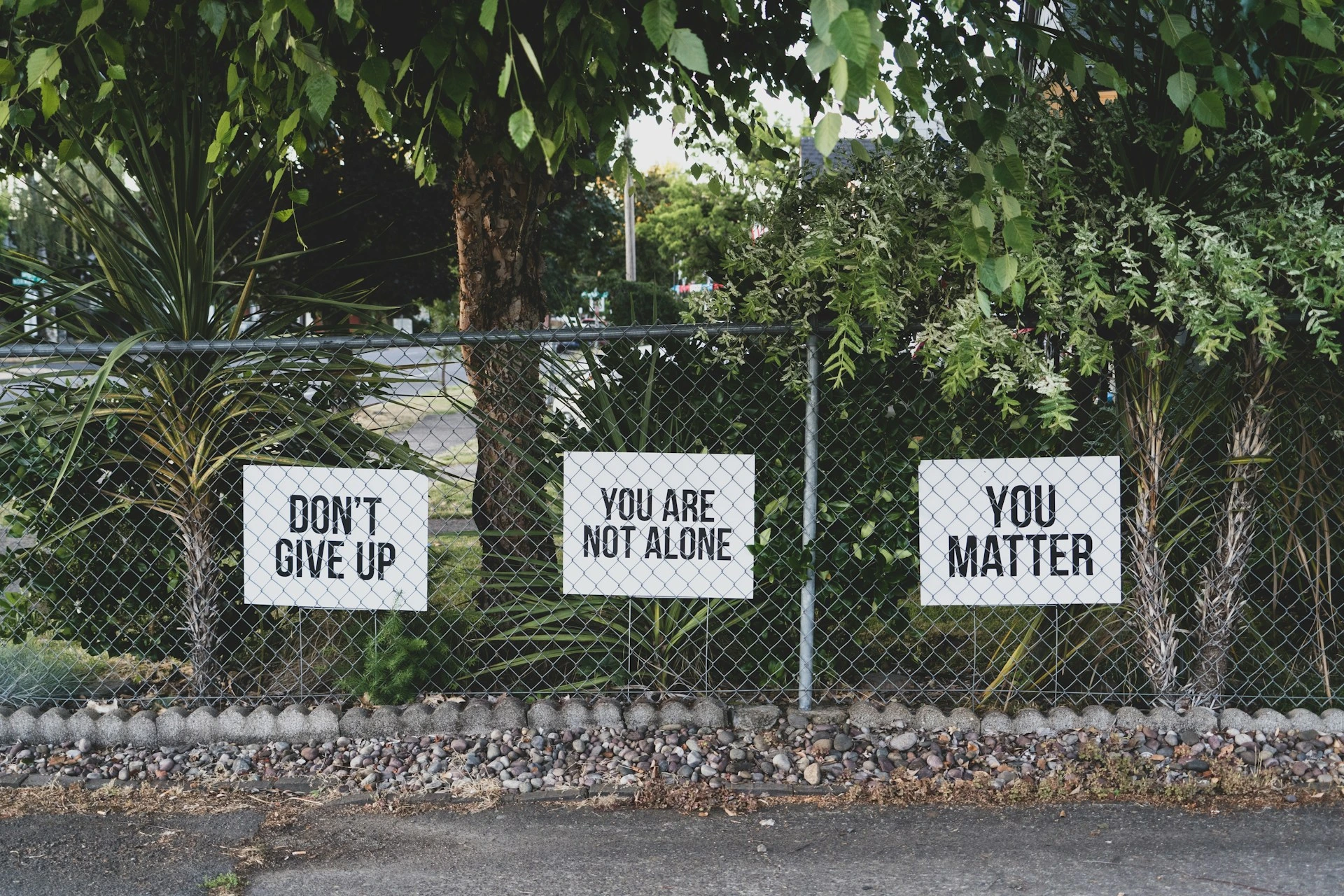
Looking out for one’s mental health is an ongoing process, not a one-time decision. Here are some tips on how to make prioritizing your mental health a little more do-able.
1. Practice Mindfulness and Meditation
Mindfulness is the practice of being present in what you’re doing and noticing your thoughts and feelings without judgment. Meditation, deep breathing or yoga practices may be beneficial to decrease stress, improve self-awareness and help with relaxation. Even just a few minutes of mindfulness daily can help improve your mental well-being.
2. Exercise Regularly
It’s not a department in the novel, but we all know how much of an effect exercising can have on mental health. When your body is in motion, it boosts those feel-good endorphins. Whether it’s walking or practicing yoga, regular physical activity reduces stress and anxiety and lifts the mood.
3. Get Enough Sleep
Sleep and mental health are intimately related. Lack of sleep can worsen anxiety, depression and other mental health conditions. Strive for 7-9 hours of sleep nightly and establish a calming bedtime routine to deepening the quality of your rest. Don’t spend too much time in front of screens before bedtime to help make for better sleep.
4. Connect with Others
Social support is itself important for mental health. Set aside time for friends and family, whether it’s a quick phone call or coffee together. Prospective social interactions help an individual cope by offering emotional support, lowering a sense of isolation, and reinforcing mood. Don’t hesitate to seek support during difficult times.
5. Set Boundaries and Learn to Say No
Feeling empowered to say no Self-esteem Setting healthy boundaries is key to managing stress and preventing burnout. Learn how to say no if you need to, and don’t overextend yourself. Honor yourself, and make sure you get plenty of R & R.
6. Eat a Balanced Diet
Nutrition is a factor in mental health. Healthy eating including fruits, vegetables, whole grains and lean proteins encourages healthy brain function and positive emotions. Stay clear from high caffeine, sugar and processed foods which can impact your mood and energy levels.
7. Seek Professional Help
Don’t hesitate to seek help from a mental health professional if you’re struggling with your mental health. Therapy, counseling or support groups can offer advice and resources for dealing with mental health issues. Mental health professionals can support you through difficult emotions and help you understand the reasons behind them and develop coping techniques.
The Importance of Mental Health Awareness
Increasing mental health awareness is critical to reducing stigma around mental health disorders. We can prevent anyone else from feeling they’re going at it alone by talking about mental health openly. By contributing the ways you find to encourage others to join in with mental health awareness, more and more people can get the help that they need and help to bring about a positive change in healthier and happier communities.
Conclusion: Mental Health Should Be a Priority
Taking care of your mental health helps you to live and enjoy a full, balanced life as well as the rest of your body’s systems. Like physical health, mental health requires effort, attention and care. Self-care is not just taking more baths and eating healthier, but also seeking professional help when needed so that you may place value on your mental health and achieve success in everything in life.
It’s something of a truism that your mental health is as important to your well-being as is your physical health, and any investment in it is one worth making.