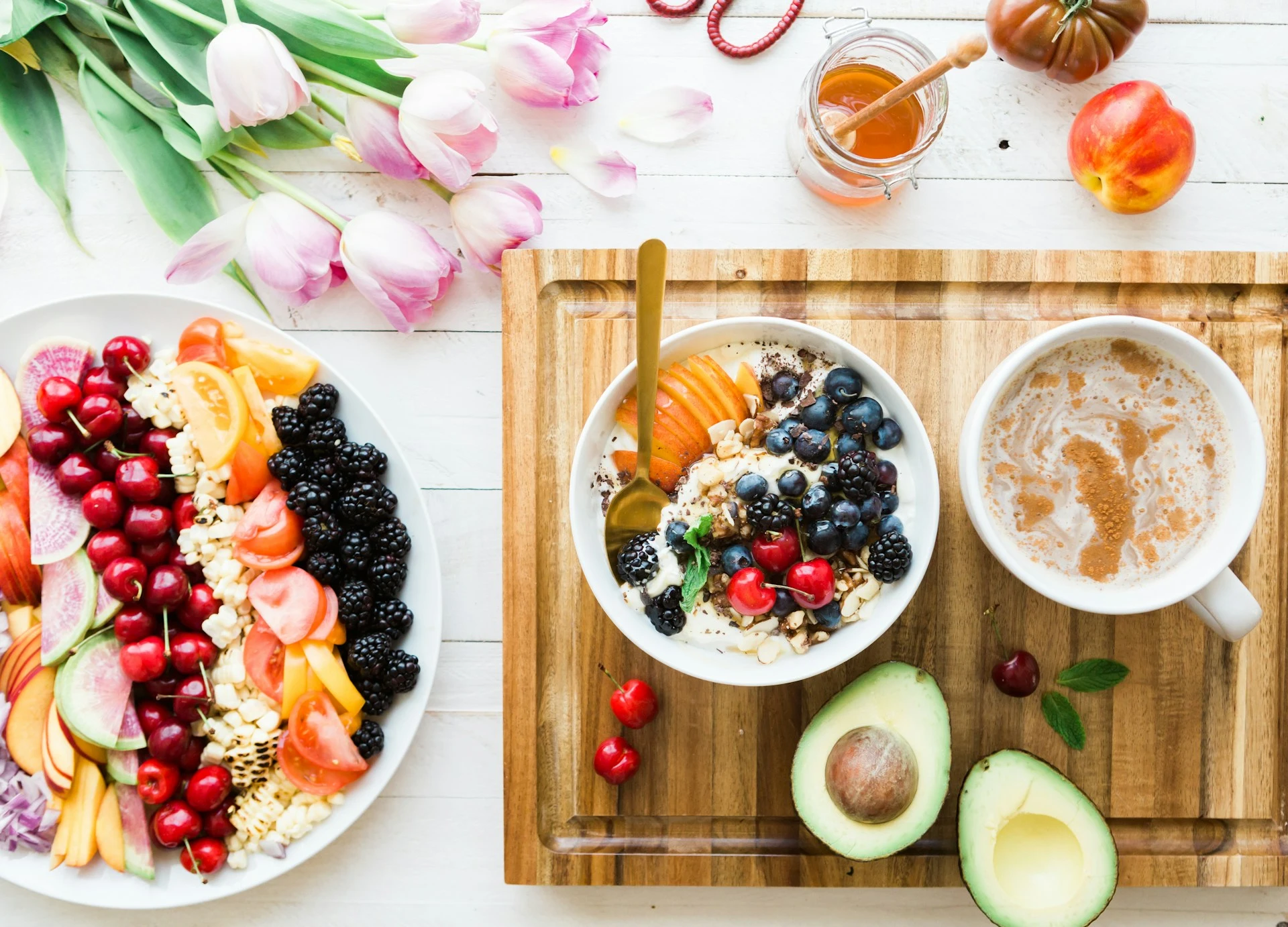

The worldwide transition to Plant-based and wholesome consumption is no longer a craze — it is growing right into a mainstream lifestyle motion. Plant‑based diets are changing the way many people think about food, fueled by increasing worries about health, sustainability, and food quality. Here I discuss the main concepts, science-based benefits, present-day patterns, and how to adopt a plant‑based lifestyle.
What Is a Plant‑Based Diet & Healthy Eating
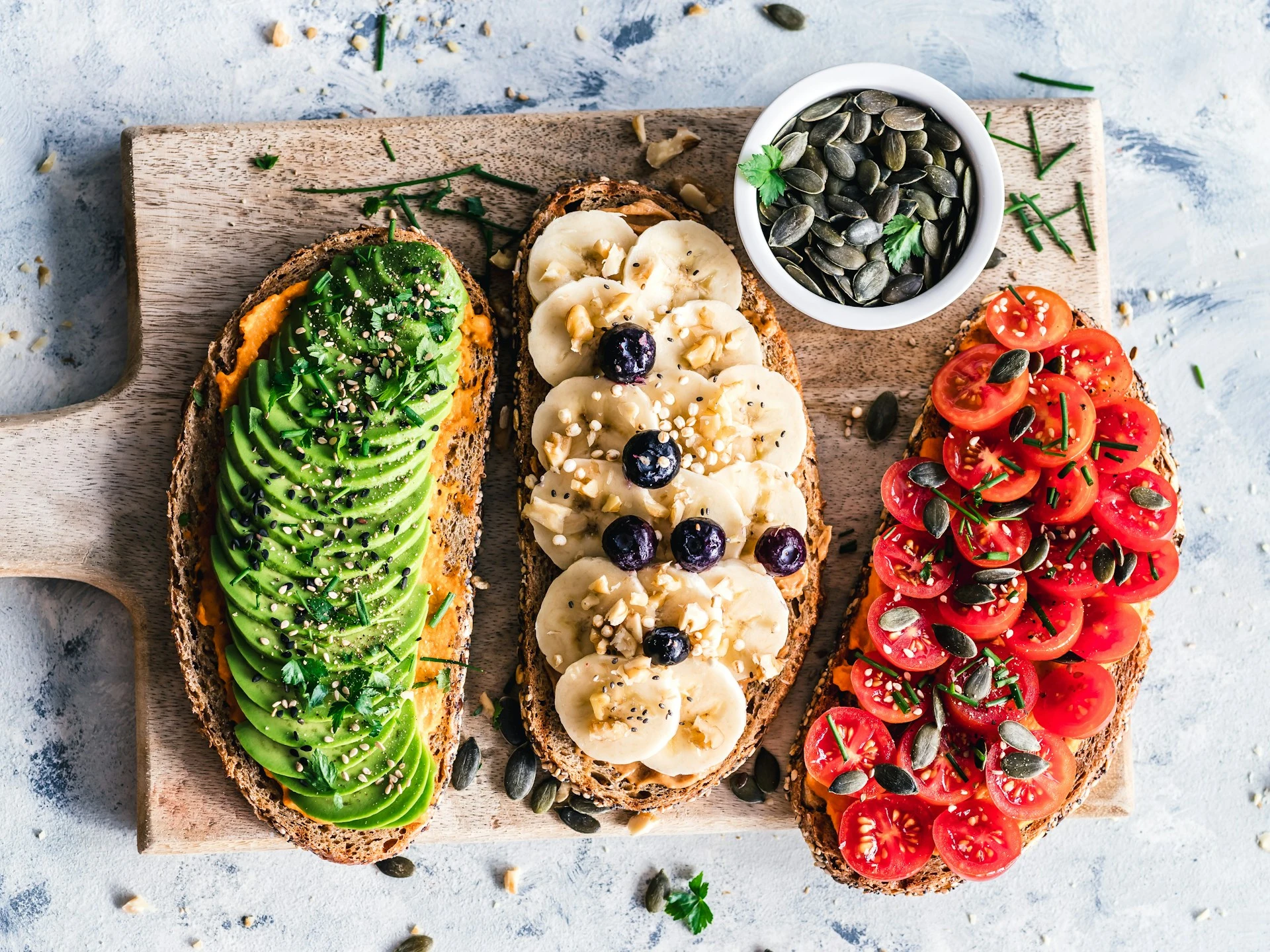
A plant‑based diet is one in which most of what is eaten comes from plants — food that is derived from plants including not only fruits and vegetables but also nuts, seeds, oils, whole grains, legumes, and beans and that minimizes or mostly excludes animal products. Unlike the more rigid approach to vegetarian or vegan diets, “plant-based” is not all or nothing, with some people leaving room for animal products on occasion, but prioritizing plants.
Here too, healthy eating is compatible with plant-based philosophy, since focusing on whole, nutrient-dense foods and balanced meals, with fiber and micronutrients, is far healthier than a typical diet including refined and processed foods.
Why Plant‑Based Eating Is Gaining Momentum in 2026
Health & Chronic Disease Prevention
Studies link plant-based eating with more dietary fiber, less saturated fat, more vitamins, minerals, and antioxidants — more heart health, a lower type 2 diabetes risk, and better digestive health as well.
In a recent large-scale of cohort studies, the consumption of high-quality plant-based diet is epidemiologically linked with a 49% lower risk of multimorbidity for the common chronic diseases (heart disease, diabetes, and cancer)?
Shift in Consumer Behavior & Food Industry Innovation
Update on the state of the plant-based food industry in 2025. Market research confirms that plant‑based eating continues to be among the most in-demand food trends, specifically the demand for whole-ingredient products, clean labels and foods that are not just replacements for meat or dairy — but are inherently plant-forward.
Modern consumers — with Gen Z and health-centric consumers at the forefront — respect simple, honest offerings: aka minimally processed foods, full transparency in what’s on the label and on the plate, and real functional foods that promote wellness, gut health, and sustainability.
Environmental & Sustainability Awareness
The idea of plant‑based eating extends also within a larger trend towards more sustainable, climate friendly food habits. Shrinking carbon and environmental paw print by moving away from resource-heavy animal agriculture to be part of more sustainable food systems.
How Plant‑Based & Healthy Eating Benefits You (and the Planet)

- Better overall health: With more fiber, vitamins, and antioxidants, but less saturated fat, all joys of heart health, normal blood sugar, normal digestion, and decreased chronic disease.
- Weight management & metabolic health: The higher nutrient and lower calorie density of plant‑based diets may help maintain a healthy weight and promote metabolic health.
- Reduced environmental impact: Fewer greenhouse gases, less dependence on intensive animal agriculture, and more sustainable land and water use.
- Adaptable & flexible lifestyle: You don’t need to follow a 100 percent vegan-diet – even a mainly plant-based diet can result in health and environmental benefits.
Practical Tips to Embrace Plant‑Based & Healthy Eating
- Again, ease into it — don’t dive in the deep end — swap only a meal or two a week for plants, so on.
- Choose whole, unprocessed foods — vegetables, fruits, beans, whole grains, nuts, seeds instead of ultra-processed “fake meats.”
- Explore different plant proteins — such as lentils, beans, pea or fava-bean proteins, tofu/tempeh, nuts and seeds.
- Create balanced meals — pair protein (beans/nuts), fiber (vegetables, whole grains), and healthy fat (avocado, olive oil, nuts).
- Not ignoring nutritional needs —getting enough iron, B vitamins (especially B12 if cutting out animal products), calcium, and healthy fats.
- Sustainability & taste with variety — rotate different plant-based ingredients to make meals interesting & nutritionally balanced.
- Combine diet with healthy lifestyle behaviors — sleep, exercise and hydration as well as mindful eating will amplify the benefits of plant-based eating.
Conclusion
In 2026, plant‑based and healthy eating ascends based on more profound changes in consumer values — to wellness, sustainability, and conscious consumption. With research continuing to pile up in favor of the health benefits of plant‑forward diets—coupled with effort from innovators developing the accessible, palatable plant-based foods that excite our taste buds—this way of eating is increasingly becoming the most accessible and attractive way of feeding ourselves.
Motivated by health, environment or just plain curiosity, adopting plant‑based meals slowly but surely — with emphasis on whole, nutrient-dense foods — builds positive and lasting change — in your body, in your lifestyle and, in the world.