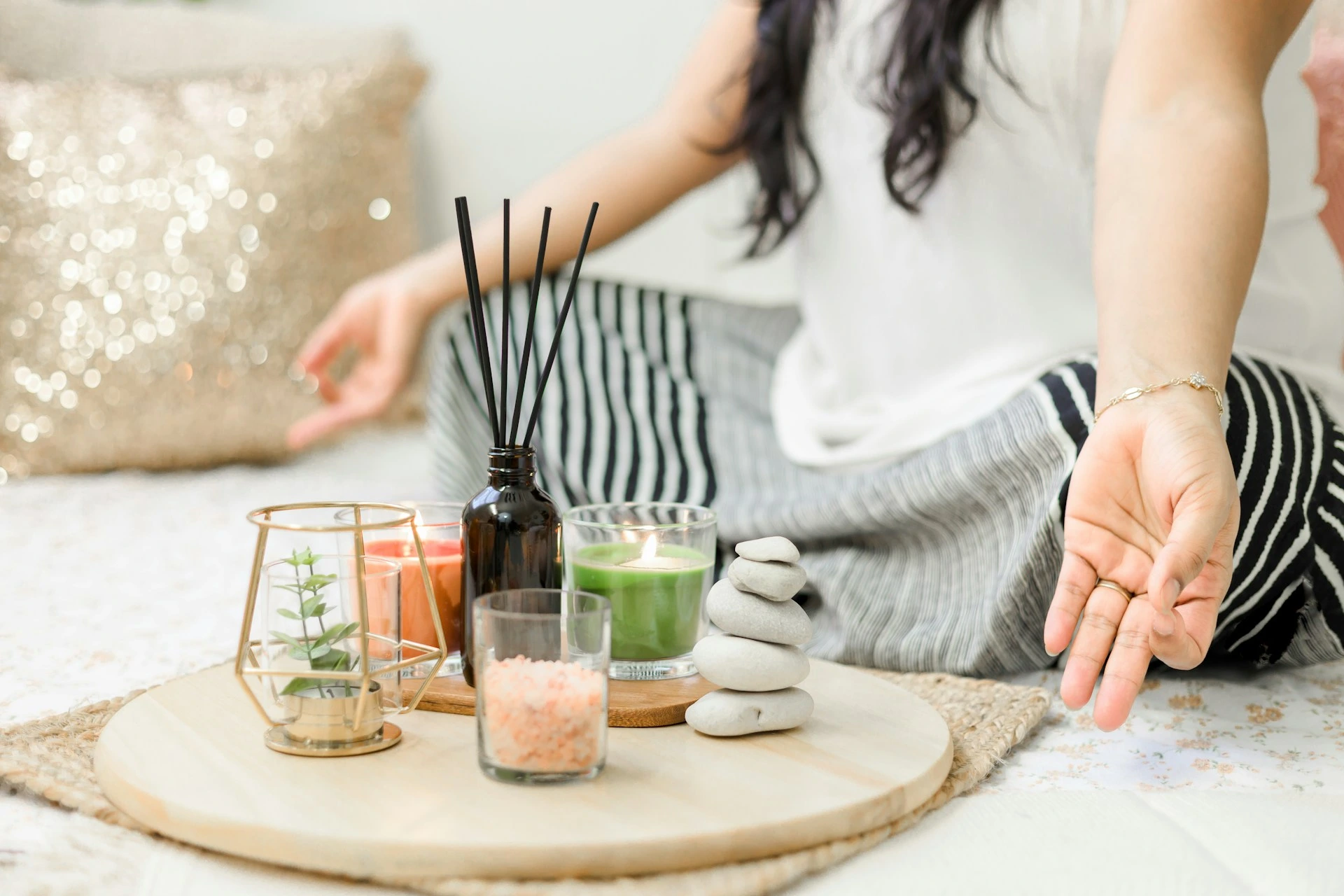
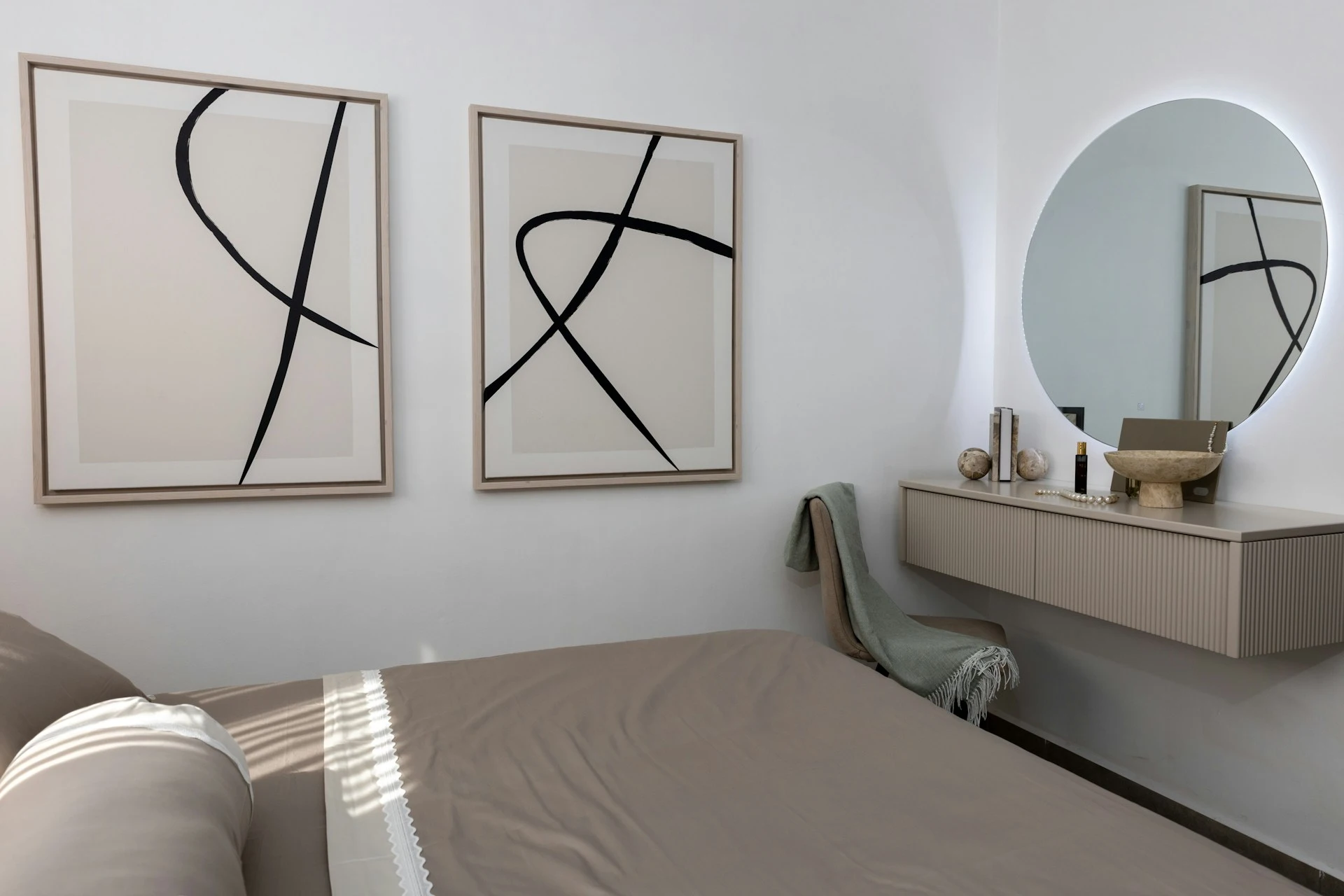
With today’s distractions, overconsumption, and excess clutter reaching preposterously high levels, minimalist living has emerged as a sensible path to peace through purpose and focus. Minimalism is more than simply having less stuff — it is a way of thinking and living that values the simple, the purposeful, and the mindful in (almost) every area of life. This article will define minimalist living, list the advantages it has, and give you directions for how to embrace the lifestyle and open more space—from the inside and out.
What is Minimalist Living?
Minimalist living is a way of life that focuses on shaving down excess to create space for what is most important. It is about prioritizing what truly matters in life; whether that is relationships, self-development or experiences and releasing your attachments to possessions and distractions that do not benefit you.
Above all, minimalism is aligned with intent and can allow you to make choices that lay down the path of life that you want to walk. It does not mean filling your life up with emptiness or avoiding the things that bring you joy, but rather removing the excess—the clutter, both physically and mentally, that occupies your environment.
The Benefits of Minimalist Living

The advantages of minimalism extend far beyond freeing up physical space. It can improve your mental, emotional, and your financial status. Here are a few benefits of these minimalist lifestyle that make it so beneficial.
1. Less Clutter, Less Stress
Arguably the first and most prominent effect that minimalism has is decluttering (The opposite of the fear, of course). The next cause of stress is, A Cluttered Home Will Lead to a Cluttered Mind. When you simplify your environment, you are able to make your environment calmer and relaxing so that your mind can be clear.
2. Increased Focus and Productivity
Practicing minimalism clears distractions and allows you to hone in on vital tasks. Having fewer possessions means having less to organize, clean, and maintain which creates space in your life to focus on more important things. This will result in more productivity and a feeling of achievement.
3. More Time and Energy for What Matters
We kill the excess to produce more time and motivation to focus on what really matters: our passions, relationships, and personal development. So whether its family, hobbies, or just some rest, minimalism lets you make time for things that actually make you happy.
4. Financial Freedom
Another consequence of minimalism is that people tend to spend more mindfully. Reducing material possession will cause you to buy less. This can save you quite a lot of money, and also relieve you from some of the financial anxiety of making by paycheck. As you eliminate distractions, then you might experience an ideal life in the form of experiences rather than possessions.
5. Environmental Impact
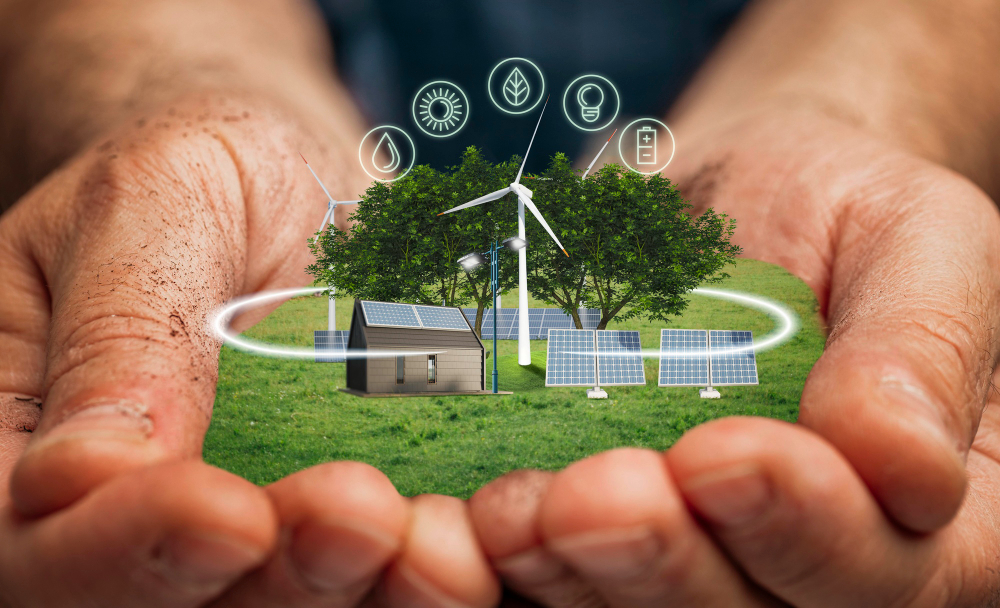
Minimalistic lifestyle is also more sustainable. Minimalism positively affects the environment by purchasing less stuff and creating less waste. Enjoying a more simple life — a life less focused on consumerism — results in less pollution and carbon footprint.
Key Principles of Minimalist Living
Every person, every lifestyle is different, so minimalism—which is not a uniform thing, but rather something personal—is not uniform. Nevertheless, here are a couple of guidelines to get you started in being a minimalist:
1. Declutter and Simplify
Declutter Your Space — The first step factor in minimalism. This involves having a purge and only keeping what is useful or sparks joy. So, ask yourself: Will I use this item frequently? Does it add value to my life? If not, maybe it’s time to just move on.
- Start small: Start with a single room or category (such as clothing, books, or kitchen items) at a time.
- Let go of excess: Eliminate things you no longer need or use — give them to charity, have a sale or recycle them.
- Practice the “one-in, one-out” rule: For every new item you acquire, get rid of something you no longer use.
2. Focus on Quality, Not Quantity
Less is more is the very essence of Minimalism. Instead of hoarding what are essentially non-essential items, buy quality things that you know you will not need to replace for some time because they are well made and serve a purpose. Invest in experiences, relationships, and objects that are in accordance with your values.
3. Mindful Consumption
Minimalists think before they buy & consume. Instead of impulse buys or diamond watches that have been passed down through the family or things bought simply out of habit, take a moment to assess whether an object or experience really enhances your life. Consider whether that person adds value to your happiness, health or wellbeing.
4. Prioritize Experiences Over Possessions
Minimalism is rebelling against consumerism and promotes that you value the experience—traveling, education, personal development—over everything. Stuff will never make you as happy for as long as experiences will, and not only that, experiences lead to far better memories.
5. Create Space for What Matters
Minimalism does not mean less for the sake of less, but rather, it means making room for the things that matter most. Be it more time with family, a new hobby or healthier lifestyle, minimalism makes space for the things that add to your well-being — physically, emotionally, and mentally.
How to Get Started
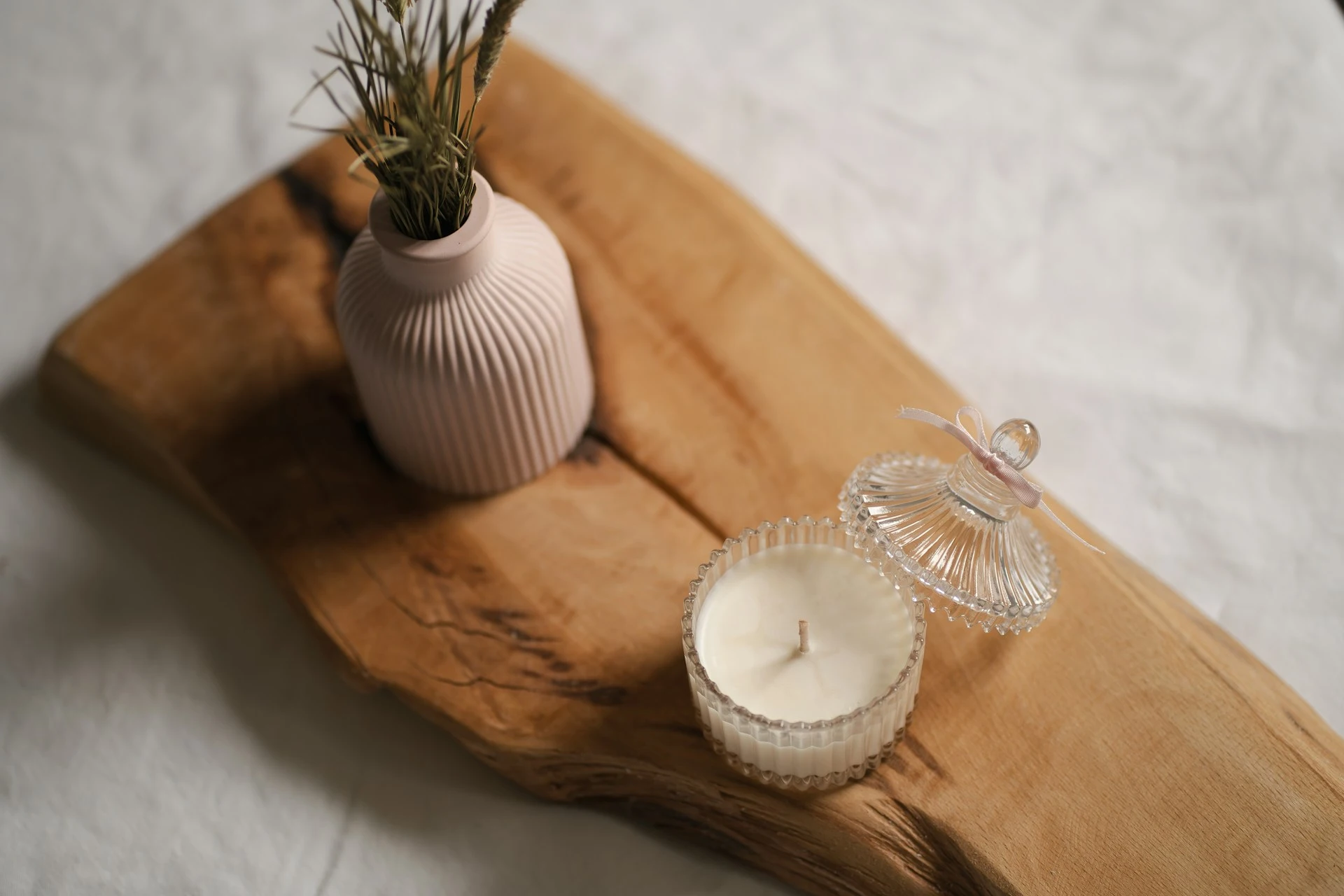
Switching to a minimalist lifestyle may feel daunting at first, but you do not have to go to extremes overnight. So with that in mind, here are a few actionable steps to get you started on your minimalist path!
1. Declutter Your Home
However, before doing that, start with decluttering your home. Walk through your house and check if they are useful or simply bringing Joy? Get rid of all that no longer benefit you by donating or even selling them, and organize your space to enable you to be calmer.
2. Simplify Your Wardrobe
A capsule wardrobe, is a good minimalist approach to minimize clutter. Concentrate on clothes that you can layer and wear several ways that you just would like. Doing so will take away some of the decision fatigue out of dressing everyday.
3. Practice Digital Minimalism
Digital minimalism is equally crucial as physical minimalism. Unsubscribe from email lists, minimize screen time, organize devices, all these will help you streamline your digital life. Limit social media usage and never bombard your technology with apps or materials that do not improve your quality of life.
4. Focus on Meaningful Relationships
Minimalism is about decluttering your social life, too. Invest your energy in relationships that actually deserve your power, and ditch the rest for good.
5. Embrace the “Slow” Lifestyle
If that resonates with you, minimalism can encourage you to slow down and practice being in the moment. Purposefully engage in things like cooking, reading, or going for a walk. Instead, to embody the notion of less is more. The less distractions, the more occupancy in your life — with things that may matter.
Conclusion
Minimalism is not deprivation; It’s making way for that which matters. A minimalist lifestyle encourages an intentional and meaningful living by eliminating the excess—reducing what you own, limiting how much you consume and buying only the best. If your goal is to have less stress, save money, or improve your mental health, minimalism can lead to improved clarity, peace and happiness.
You can start small in your journey towards a simpler life, take it one step at a time! Each journey is unique but getting to the minimalism state of mind will be extremely rewarding as it will add countless amounts of richness and meaning to your life in ways you could not have imagined.